
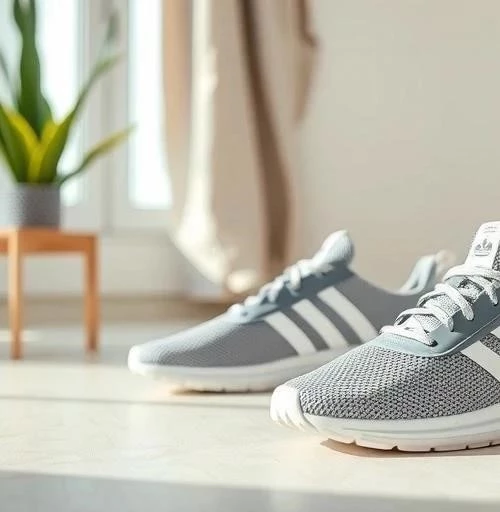
Fitness sneakers can be a practical choice for daily life: they are designed to support movement, and many Adidas styles work just as well for commuting, errands, travel, and long days on your feet. The best pair, however, is not necessarily the most technical, fashionable, or expensive one. It should fit your feet, suit the surfaces you walk on, and feel comfortable during the activities you actually do.
Adidas offers shoes with different levels of cushioning, stability, flexibility, and structure. Product names and specifications change over time, so treat a model family as a starting point rather than a guarantee. Compare the details of the exact pair you are considering, then try it on if possible. This guide explains what to look for and how to make a sensible choice.
Start with your everyday routine
Before comparing colors or technologies, think about how you will use the shoes. A person who walks several miles a day may need a different feel from someone who wears sneakers mainly for short trips and occasional gym sessions. Consider where you go, how long you stay on your feet, and whether you carry a bag or move between indoor and outdoor settings.
- Mostly walking and commuting: Prioritize a comfortable fit, cushioning that feels good at your usual pace, and a durable outsole.
- Walking plus light gym workouts: Look for a balanced shoe that feels comfortable on the street but does not feel excessively soft or unstable during basic exercises.
- Strength training or classes: A firmer, more stable platform may be more appropriate than a very tall, soft running shoe. Check the shoe’s intended use and test it with movements similar to your workouts.
- All-day casual wear: Weight, breathability, ease of cleaning, and the way the shoe works with your clothes matter alongside cushioning.
One pair can cover several activities, but there are trade-offs. A running-focused shoe may feel pleasant on a walk yet less secure for lifting weights. A training shoe may feel steady in the gym but firm during a long day of city walking. If you regularly do demanding workouts, consider keeping a dedicated training pair.
Choose cushioning that feels right
Cushioning affects the sensation underfoot, but more cushioning is not automatically better. Some people enjoy a soft, springy ride; others prefer a firmer, more connected feel. For everyday wear, aim for a shoe that feels comfortable after several minutes of walking, not only while standing in a store. Pay attention to whether your feet feel supported and whether the shoe seems easy to control.
Adidas uses different foam and midsole constructions across its ranges. Names such as Boost or Lightstrike may appear in product descriptions, but the name alone cannot tell you whether a particular shoe will suit your feet. The amount, shape, and firmness of the midsole also matter. If shopping online, read the description for intended use and check the return policy so you can assess the fit indoors.
Very soft or high-soled shoes can feel comfortable to some wearers, but they may not suit everyone, especially for lateral movement or exercises that require a stable base. Conversely, a firm shoe may feel secure but become tiring on long walks. Let your own comfort and planned use guide the decision rather than assuming that one cushioning style is universally best.
Get the fit right before judging the style
A good fit is the most important part of choosing a daily sneaker. Try shoes on near the end of the day, when feet may be slightly larger, and wear the socks you expect to use. Lace both shoes and walk around. Your heel should feel held in place without painful pressure, while your toes should have room to spread and move naturally.
- Leave a little space in front of the longest toe; toes should not press against the front when walking downhill or stopping.
- Check the width across the ball of the foot. The upper should not pinch, and the foot should not spill over the edge of the sole.
- Notice any rubbing at the heel, ankle, arch, or top of the foot. Do not assume uncomfortable pressure will disappear with wear.
- Walk briskly, turn, and take a few steps on a firm surface. The shoe should feel secure rather than loose or awkward.
Adidas sizing can feel different between models, and a size that works in one pair may not work in another. Do not rely only on the number printed in a shoe you already own. Check the brand’s current size guide, consider the shape of the specific model, and try another size if you are between sizes. If you use orthotic inserts, bring them along and check that they fit without crowding your foot.
Pay attention to the upper
The upper is the part that wraps around your foot. A mesh upper is often a useful option for daily wear because it can allow airflow and may feel light. A more structured upper can provide a closer, more supportive sensation, while overlays and reinforced areas may help the shoe hold its shape. These features are not automatically better or worse; their value depends on the fit and the conditions in which you wear the shoe.
Think about climate and maintenance. Breathable fabric can be comfortable in warm weather, but it may offer less protection from rain and dirt than a more substantial upper. If you walk in wet conditions, check whether the particular shoe is described as water-resistant or waterproof; ordinary mesh should not be assumed to keep water out. For everyday convenience, consider whether the material can be cleaned easily and whether its color will show marks.
Make sure the tongue and laces sit comfortably. A tongue that shifts, laces that create pressure, or an upper that creases painfully can become irritating over a full day. A secure fit should come from the whole shoe, not from tightening the laces so much that the top of your foot aches.
Match the outsole to your surfaces
For regular city use, check that the outsole feels durable and has enough grip for the surfaces you encounter. Pavements, shop floors, office corridors, and park paths place different demands on a shoe. A road-oriented outsole may be suitable for sidewalks and paved routes, while outdoor trails call for footwear designed to handle uneven ground. A smooth lifestyle sole may not provide the grip or protection you want on wet or loose surfaces.
Look at the pattern and material, but do not judge grip from appearance alone. If you can try the shoes, walk on a clean, safe surface and notice whether your steps feel steady. Avoid deliberately testing them on slippery floors. If your route often includes rain, leaves, or rough paths, choose a model whose intended use and outsole are appropriate, and take extra care in poor conditions.
Consider flexibility, weight, and stability
A lighter shoe can feel convenient for walking and travel, but lightness should not come at the expense of a secure fit. Flexibility is also a matter of purpose: a shoe that bends comfortably as you walk may feel natural for casual movement, while a more structured shoe can be preferable for some gym activities. The shoe should flex where your foot naturally bends and should not twist or collapse in a way that feels unstable.
Try a few basic movements that reflect your routine. Walk, turn, and rise onto your toes. If you plan to use the shoes for classes, test gentle side steps in a clear space. For lifting, pay attention to whether the sole feels steady under load. These simple checks are not a substitute for professional advice if you have a foot condition, but they can reveal whether a shoe feels unsuitable for your intended use.
Understand Adidas ranges without buying by name alone
Adidas sells running, training, and casual sneakers, and some models can overlap in how people use them. Running-oriented families, such as Supernova, Duramo, or Runfalcon, may include options intended for different levels of running and cushioning. Ultraboost models are often associated with a cushioned running feel, while training-focused shoes, including some Dropset models, are designed with gym use in mind. These examples are not fixed specifications: designs, features, and availability can differ by version and market.
Read the product page for the exact model year and version. Look for its stated activity, midsole construction, outsole description, weight if provided, and upper materials. Reviews can help identify recurring fit observations, but individual impressions vary. A popular model is not necessarily the right one for your foot shape, walking pace, or preferred level of firmness.
Balance comfort, appearance, and value
Because you plan to wear the shoes often, choose a design that fits your wardrobe and feels appropriate for your daily settings; Neutral colors can be easy to pair with casual clothes, while brighter designs may suit a more expressive style. Appearance matters, but it should not override fit: a shoe that looks excellent and causes pressure is unlikely to become a useful everyday favorite.
Compare prices across colors and retailers, but check that the seller is reputable and that the return conditions are clear. A discount is worthwhile only if the shoe meets your needs and fits properly. Consider how often you will wear it, how easy it will be to maintain, and whether it can serve more than one of your routine activities. The least expensive pair is not always the best value if it is uncomfortable or unsuitable for your usual surfaces.
A practical fitting checklist
- Decide whether walking, gym training, commuting, or a mix of activities is the main priority.
- Choose the intended shoe category and compare the exact model’s current specifications.
- Try both shoes with your usual socks, preferably later in the day.
- Check toe room, width, heel hold, and any pressure or rubbing.
- Walk and turn to assess cushioning, stability, and comfort at your natural pace.
- Consider breathability, weather protection, outsole grip, cleaning, and the return policy.
- Choose the pair that feels right in use, not simply the one with the most features.
Common mistakes to avoid
- Choosing by appearance alone: A stylish upper cannot compensate for a poor fit or an unsuitable sole.
- Assuming a running shoe is ideal for every workout: Running and gym movements place different demands on footwear.
- Buying too tight: Feet need space, especially during extended walking. A cramped toe box can become uncomfortable quickly.
- Expecting shoes to fix pain: Sneakers are not a treatment for foot, knee, or back problems. Seek qualified medical advice for persistent pain.
- Ignoring the return policy: When purchasing online, make sure you can return the shoes if the fit is wrong, and test them indoors first.
Final recommendation
The best Adidas fitness sneakers for everyday wear are the pair that fits your feet securely, feels comfortable over the distances you usually walk, and suits the surfaces and activities in your routine. Start with use and fit, then compare cushioning, stability, upper materials, outsole grip, and style. Do not select by product name or marketing language alone. If a shoe feels comfortable during a realistic try-on and meets your practical needs, it is a much stronger choice than a technically impressive pair that does not feel right.
4 Comments. Оставить новый
I like that the guide explains the trade-offs of using one pair for different activities. Fit and stability can matter as much as cushioning.
The categories make it easy to think through what a shoe needs to do, from commuting to gym sessions. I would also consider trying them on later in the day when feet may be more swollen.
A clear, useful overview for anyone comparing everyday sneakers. Checking the specifications of the exact model is good advice since styles can change.
This is a helpful reminder to choose shoes based on real routines rather than marketing claims. The advice to try movements similar to your workouts is especially practical.