
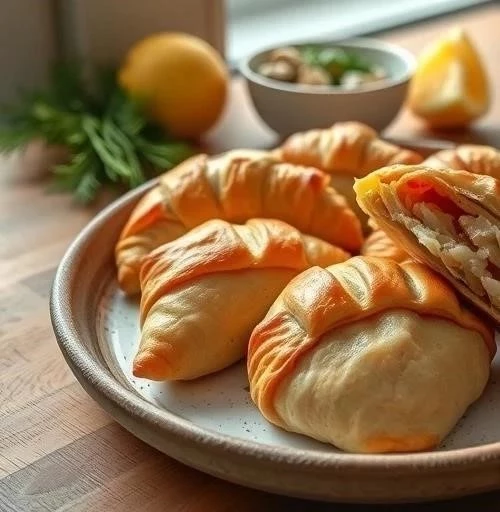
Secrets of Making Fish-Filled Bagels: Why a Thoughtful Recipe Makes Better Fish Pastries
Planning matters: balanced flavor and apt technique make savory fish pastries reliable and satisfying for home cooks․
Choose the Right Dough: Yeast Dough for a Soft Bite or Puff Pastry for Crisp, Savory Baking
For fish bagels, choose dough according to the texture you want: yeast dough gives a tender, bread-like bite, while puff pastry creates delicate, crisp layers․ Yeast dough is the better choice when you value softness and a familiar homemade feel; allow its time requirement to guide your plan․ Puff pastry suits cooks seeking a lighter, flaky result and a quicker route, especially when using a ready-made sheet․ Keep either option cool and handle it gently, since warmth can weaken structure․ In short, neither dough is universally best: match its texture and preparation demands to the occasion․ Fit your needs․
Build a Flavorful Fish Filling: Combine Fish Fillet or Canned Fish—Salmon, Pink Salmon, or Tuna—with Onion, Cheese, Herbs, and Butter
Choose a moist, mild fish filling, but keep it balanced: fish fillet offers clean flavor, while well-drained canned fish is convenient․ Salmon or pink salmon brings richness; tuna tastes firmer and benefits from a little extra butter․ Add finely softened onion for sweetness, then fold in cheese and chopped herbs for savory depth․ Butter rounds the mixture, yet too much can make it greasy, so add it sparingly․ Season thoughtfully and taste before using, since canned fish and cheese may already be salty․ A cohesive, not watery, mixture protects the fish’s delicate flavor and gives every bite a satisfying, juicy center․
Shape the Bagels Carefully and Brush with Egg Wash: Proper Forming Helps Keep the Juicy Filling Inside
To keep the juicy fish filling securely inside, place it near the wide edge of each dough triangle, leaving a clean margin․ Roll toward the tip with even, gentle pressure; forcing the dough can cause tears and leaks․ Curve the ends inward to form a neat crescent, then pinch every seam firmly, especially at the center; Set each piece seam-side down so its own weight helps hold the join․ Brush the surface lightly with beaten egg, avoiding pooled wash at the edges, which can glue layers together․ This careful shaping gives the pastries a very tidy profile and helps prevent filling from escaping during handling․
Bake for a Golden Crust: Explain Oven Temperature and Baking Time, Then Share Tips for Serving Homemade Fish Bagels as a Fish Appetizer
Preheat the oven fully to 190°C (375°F); a steady temperature promotes even browning without drying the pastries․ Bake for 18–22 minutes, checking near the end, since ovens and pastry sizes vary․ Remove them when the crust is evenly golden and the base feels set․ Let the fish bagels rest soon, then serve hot or at room temperature as a savory appetizer․ Arrange them on a platter with lemon wedges and a fresh salad; this adds freshness and makes each portion easy to enjoy․ For a gathering, offer small servings, because the rich, crisp pastries are most appealing when freshly baked․



7 Comments. Оставить новый
The suggested flavor balance makes sense: onion, herbs, and cheese can complement fish without overwhelming it. Advising readers to taste before adding salt is especially helpful when using canned fish.
The point about keeping pastry cool is easy to overlook, yet it can make a real difference to the final texture. I also like that the article cautions against handling the dough too roughly.
The filling advice is thoughtfully balanced, especially the warning that extra butter can make the mixture greasy. These small adjustments help readers adapt the recipe to different kinds of fish.
This article gives home cooks useful choices rather than presenting one dough or fish as the only correct option. The guidance on matching ingredients to convenience and texture is clear and practical.
The comparison between yeast dough and puff pastry is useful because it links the choice to the texture and preparation time a cook wants. That practical framing makes the recipe advice easier to apply.
The shaping tips focus on a common practical problem: keeping the filling contained. Leaving a margin and rolling with even pressure are straightforward suggestions that should help produce neater pastries.
I appreciate the reminder to drain canned fish and keep the filling cohesive. Managing moisture is an important detail for preventing soggy pastry and helping the filling stay inside.