
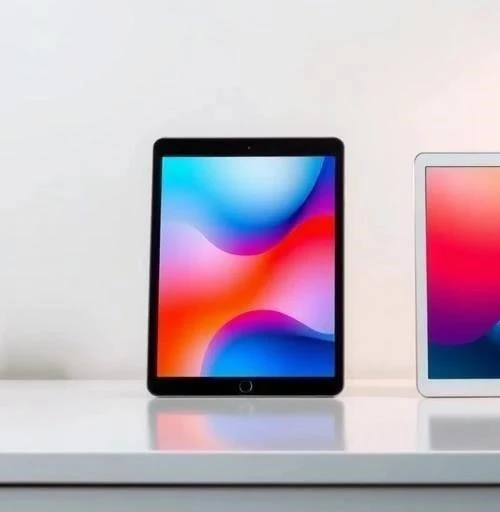
Choosing between Lenovo and Xiaomi is less like picking a champion and more like choosing a travel companion. One may be a calm, practical organizer; the other, a bright-eyed entertainer with a vivid screen. Both can be excellent. The best choice depends on what you want your tablet to do after the unboxing sparkle fades.
The short answer: Xiaomi is often the stronger pick if you want lively performance and an impressive display for the money. Lenovo is often the better fit if you value a broad range of models, family-friendly features, and a tablet that can double as a lightweight work or study station. These are tendencies, not laws: compare specific models, because each brand sells devices at several prices and specifications change by region and generation.
The screen: cinema or comfortable reading?
For films, games, and colorful illustrations, Xiaomi tablets frequently make a persuasive first impression. Many of its popular models emphasize high-resolution displays, smooth refresh rates, and punchy color. The result can feel like carrying a tiny cinema—not quite popcorn-sized, but close enough for a train ride. If you watch a lot of video or play visually demanding games, check the exact panel, refresh rate, brightness, and speaker layout of the model you are considering.
Lenovo’s screen experience varies more noticeably across its large lineup. A premium model may be excellent for entertainment, while an affordable one may prioritize price over brightness or sharpness. Lenovo also offers tablets designed around reading, note-taking, or family use, where comfort and practicality can matter more than dramatic color. Try to view the display in person if possible, especially if you plan to read for hours or use it outdoors.
Speed: how much power do you really need?
Xiaomi often aims to give buyers strong processing performance for the price. That can mean quicker app launches, smoother multitasking, and more headroom for demanding games—depending, of course, on the particular processor, memory, and cooling design. A powerful chip is useful, but it is not magic: a tablet with too little memory or storage can still feel cramped.
Lenovo covers a wider spread, from simple devices for browsing and video calls to capable tablets for serious multitasking. Its budget options can be sensible for school portals, recipe pages, books, and streaming, while its higher-end models may handle creative and office tasks well. Ask yourself whether you need speed for editing and games, or simply want your everyday apps to open without a fuss. Buying far more power than you use is like hiring a racehorse to fetch the mail.
Work, study, and accessories
If your tablet will replace some laptop tasks, examine the keyboard, stylus, kickstand, and software experience—not just the processor. Lenovo’s lineup includes models that lean into productivity and may offer useful keyboard or pen options. Availability and what comes in the box differ, so check the package carefully; an accessory shown in a product photo may cost extra.
Xiaomi also offers keyboards and styluses for selected tablets, and a capable model can be a pleasant study or travel companion. Still, verify that the apps you rely on work well on Android and that the accessory layout suits your typing habits. Neither brand automatically turns a tablet into a laptop. Long documents, specialist desktop software, and complex file workflows may still be easier on a computer.
Battery, sound, and the everyday details
Battery life depends on screen brightness, network use, gaming, and software—not simply the size printed on a specification sheet. Both brands have models that can last through a day of mixed use, but compare independent tests for the exact tablet. Speakers matter too: a good set can make a budget film night feel surprisingly grand, while a headphone jack or a microSD slot can be more valuable than a flashy benchmark; Check whether the model you want actually includes those features.
Software is another personal choice. Xiaomi’s interface may feel feature-rich and closely connected to its broader device ecosystem. Lenovo’s Android experience can feel straightforward, though the details differ by model. Look at update promises, preinstalled apps, parental controls, and how quickly the maker has delivered updates to that specific product line. A tablet is not just its launch-day software; it is a screen you may live with for years.
So, which one should you buy?
- Choose Xiaomi if your priorities are entertainment, a vivid display, gaming, and strong specifications for the price. Compare storage and memory carefully, and make sure you are comfortable with its software.
- Choose Lenovo if you want more choice across budgets, a practical study or family device, or a model whose available keyboard, pen, or other features suit your routine.
- Choose neither by logo alone if one specific model has a poor screen, too little storage, weak update support, or accessories that push it beyond your budget.
Before buying, write down your three daily tasks, set a total budget including accessories, and compare the exact model numbers. Check display quality, memory, storage, battery reviews, warranty, and local repair support. If possible, hold the tablet: weight and balance become important when you read in bed or carry it all day.
Final verdict: Xiaomi is often the tempting all-rounder for people who want entertainment and speed; Lenovo is often the flexible practical choice for people comparing work, study, family, and budget needs. But the best tablet is not the brand with the louder reputation. It is the one that makes your own everyday tasks feel effortless—and still leaves enough money for the case.

1 Comment. Оставить новый
I like the article’s travel-companion framing: it turns a spec-sheet duel into a more useful question about daily habits. A tablet is less a trophy than a little room you carry around—so the best choice is the one that feels right for the way you spend your time.