
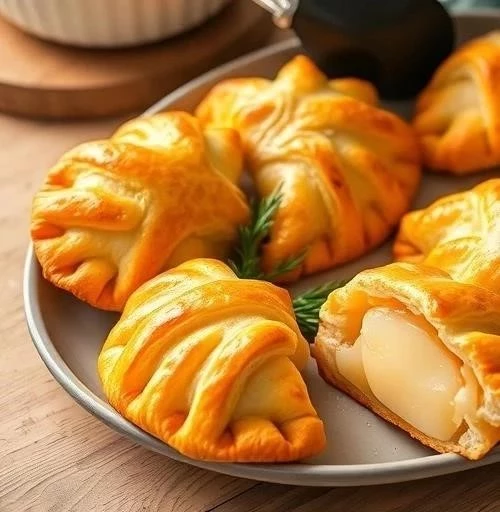
For homemade chebureki‚ combine boiled potatoes and onion for a juicy filling‚ then wrap it in thin dough using a simple‚ reliable recipe for dinner.
Prepare the potato filling with boiled potatoes and onion for a juicy center; use thin dough for homemade chebureki.
For the filling‚ mash boiled potatoes until mostly smooth‚ leaving a little texture. Finely chop onion and soften it separately‚ then fold it into the potatoes with salt and pepper. Add a spoonful of potato cooking water if the mixture seems dry; it should hold together without becoming wet. Let the filling cool before shaping‚ because a cool‚ firm mixture is easier to portion and less likely to tear thin dough.
Roll the dough evenly‚ keeping the edges clear. Place a moderate amount of potato filling on one half‚ spread it gently‚ and avoid overfilling. Fold the dough over‚ press out trapped air‚ and seal the rim firmly. A balanced filling gives homemade chebureki a juicy center while allowing the potato and onion flavors to remain distinct.
Set the cooking time‚ oil temperature‚ and amount of vegetable oil for pan-frying.
Use a heavy skillet and add enough vegetable oil to cover its base with a shallow‚ even layer. For a standard pan‚ about 3–5 mm of oil is usually sufficient; avoid filling the skillet deeply. Warm it over medium heat‚ then check the oil with a thermometer before adding any pastries. Aim for 170–180°C (338–356°F); this moderate range helps the dough cook steadily without scorching the oil. Allow the oil to return to the target temperature between batches‚ since cool oil can lengthen cooking and leave the pastry greasy. If the temperature rises too high‚ lower the burner soon; if it falls‚ wait before adding another piece. Measure the heat at the center of the pan‚ not at its edge‚ and adjust the flame gradually rather than pouring in extra oil during cooking. Use steady heat.
How long to fry chebureki: pan-frying time‚ cooking on both sides‚ and deep-frying options for frozen chebureki.
For fresh potato chebureki‚ fry each piece for about 3–4 minutes per side over steady medium heat. Turn them carefully with tongs or a slotted spatula‚ and allow a similar interval on the second side; avoid crowding the pan‚ since closely packed pieces lower the cooking pace and make timing less consistent. Frozen chebureki can go straight from the freezer to the fryer; do not thaw them first‚ because thawing can soften the pastry and cause the filling to leak. In deep oil‚ cook at a moderate‚ stable setting for roughly 5–7 minutes total‚ turning once‚ and follow package directions when available. Work in small batches and leave room to turn each piece; frozen pastries may need an extra minute or two‚ so use the stated range as a guide and adjust the next batch if required.
Check doneness: look for a golden crust and crisp dough while keeping the potato filling hot.
Check each pastry for a golden-brown surface and a firm‚ crisp feel before serving. The color should be even‚ with no pale patches or dark‚ scorched areas. Lift one carefully and let excess oil drain; the shell should remain crisp rather than limp. To confirm the potato center is hot‚ open a sample at its widest point and inspect the filling. It should be steaming throughout‚ not merely warm near the edges. If the center is still cool‚ return the pastry to the pan briefly and check again‚ avoiding prolonged heating that could dry the potatoes or soften the crust. Rest finished pieces on a rack for a short time so steam can escape. This helps preserve the crisp texture until serving. Use a clean plate and serve promptly; do not stack hot pastries‚ since trapped steam can soften their surface.

3 Comments. Оставить новый
The focus on cooling the filling and pressing air from the dough offers helpful details for reducing the chance of leaks during frying.
The suggested oil temperature range and advice to let the oil recover between batches make the frying instructions clear and useful.
The article gives practical guidance on keeping the potato filling firm and avoiding overfilling, which should make the pastries easier to seal.