
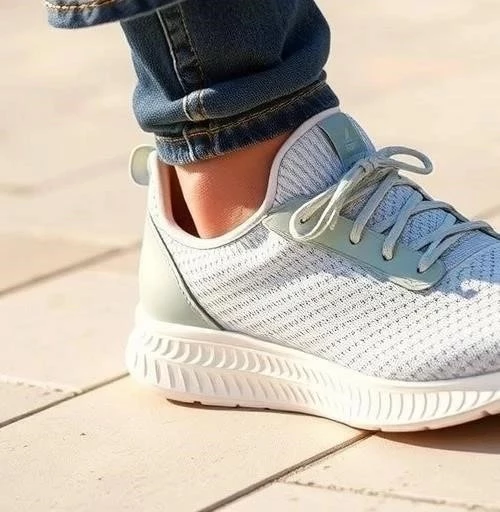
Summer sneakers need to do more than look casual. For daily use, they should feel comfortable during long periods of walking, allow heat and moisture to escape, provide dependable grip, and work with ordinary clothing. Under Armour uses several cushioning, upper, and outsole technologies across its footwear range. Their names and configurations vary by model, so the details of a particular pair matter more than the brand name alone. A feature found in one Under Armour shoe should not be assumed to appear in every summer sneaker.
Cushioning for walking and standing
Cushioning is one of the main technologies that shapes how a sneaker feels underfoot. Under Armour has used systems such as Charged Cushioning, Micro G, and UA HOVR in different footwear lines. These names describe different approaches to comfort and impact management, but they do not guarantee an identical ride across models. The midsole’s shape, thickness, firmness, and construction all influence the result.
Charged Cushioning
Charged Cushioning is a foam-based system used in a range of Under Armour shoes. Depending on the design, it may provide a relatively responsive, stable feel for routine walking and everyday movement. A firmer sensation can suit people who prefer a less soft platform, while others may want more plushness for extended periods on hard surfaces; The technology itself is not a substitute for trying on the shoe: fit, personal preference, and the intended use remain important.
Micro G and UA HOVR
Micro G is another cushioning name associated with Under Armour footwear. Its presence and feel depend on the particular model and the way the midsole is constructed. UA HOVR has been used in selected performance-oriented shoes, with designs intended to combine cushioning and responsiveness. Some HOVR models have also been offered with connected features, but not every shoe in the range includes sensors or requires an app. For casual wear, the practical questions are whether the cushioning feels comfortable at walking speed and whether the shoe remains pleasant after several hours.
Technology labels are useful starting points, not measurements of comfort. A person who walks mainly on pavement may value a different balance of softness and stability from someone who spends the day moving between indoor floors. Heavier cushioning may feel substantial, while a more flexible or lower-profile design may feel natural for short trips. Trying both shoes on and walking in them is the most reliable way to assess the difference.
Breathable uppers for warmer weather
The upper is the part of the sneaker that covers and holds the foot. Many lightweight summer models use engineered mesh or other knitted and textile constructions. Open or finely woven sections can help air circulate, while overlays add structure where the shoe needs support. The amount of ventilation varies: a mesh appearance does not necessarily mean that the whole upper is equally airy, and a tightly reinforced toe or side panel may reduce airflow in that area.
For everyday wear, a breathable upper can make a shoe more comfortable in warm conditions, especially when walking for a long time. The lining, tongue, sockliner, and fit also affect how hot the shoe feels. A snug upper that presses against the foot may be uncomfortable even if its material is lightweight. Conversely, a very loose fit can allow the heel to slip. Trying sneakers on later in the day, when feet may be slightly larger, can help reveal pressure points that are less noticeable in the morning.
Mesh construction may also allow water and dirt to pass through more readily than a closed, coated upper. This is a practical trade-off rather than a defect. A highly ventilated shoe can suit dry summer days but offer limited protection in rain. Buyers who need an all-weather option should check the product description for water-resistant construction instead of assuming that a casual sneaker provides it.
Fit, support, and everyday stability
Comfort depends on how the shoe fits as much as on its materials. Under Armour models can differ in width, toe-box shape, heel hold, and overall volume. The upper may use overlays, a structured heel area, or lacing to help secure the foot. These details can make a sneaker feel stable during ordinary walking, but they do not make every model suitable for every foot shape.
When checking fit, leave enough room for the toes to move without allowing the foot to slide forward. The heel should feel secure without rubbing, and the laces should hold the midfoot without creating pressure. Some styles have a more streamlined shape than others; people who need extra width should consult the specific model’s size information and, where possible, try it on. A comfortable fit should not depend on expecting the upper to stretch substantially.
Everyday sneakers are not automatically a replacement for specialized footwear. A casual model may work well for commuting, errands, and general walking, but people with particular medical or support needs should choose footwear in consultation with an appropriate professional. Likewise, a running shoe’s performance features do not by themselves establish that it is the right option for every daily activity.
Outsoles, grip, and flexibility
The outsole is the bottom surface that contacts the ground. Its rubber coverage, tread pattern, and flexibility affect traction, durability, and how the shoe bends. Some Under Armour designs use rubber in high-wear areas, while other constructions may prioritize lower weight or a different balance of flexibility and grip. The layout is model-specific, so checking the sole itself is useful when selecting a pair for regular outdoor use.
For common urban surfaces, a well-fitting sneaker with an appropriate tread can provide practical grip. However, a casual outsole should not be treated as specialized footwear for wet trails, slippery work areas, or other demanding conditions unless the manufacturer describes it for that purpose. Smooth floors and wet pavement can also feel different from dry sidewalks. Keeping the outsole clean helps maintain contact with the ground, while worn tread is a reason to reconsider whether the shoes remain suitable for regular use.
Flexibility is another part of the everyday experience. A shoe that bends naturally with the foot can feel comfortable on short walks, while a more structured platform may feel steadier to some wearers. Neither quality is universally better. The useful choice depends on walking habits, comfort preferences, and the surfaces encountered most often.
Weight and versatility
Lightweight materials can make sneakers easier to wear through a full day, particularly in hot weather. Under Armour’s use of textile uppers and foam midsoles can help reduce bulk in some models, although weight varies with size, cushioning, reinforcements, and outsole construction. A lighter shoe is not necessarily more comfortable: secure fit and suitable cushioning are at least as important.
Many casual Under Armour sneakers use restrained colors and streamlined profiles that pair with shorts, jeans, or everyday sportswear. More technical-looking designs may have visible overlays, prominent logos, or sculpted midsoles. These are style choices rather than evidence of a particular level of comfort or durability. Neutral colors can be easier to coordinate, while lighter fabrics may show dust more clearly.
Care and choosing the right model
To compare summer sneakers, check the exact product page or label for its midsole system, upper materials, outsole details, and care instructions. Product names can change over time, and technologies may be revised or used differently in separate collections. Avoid relying on a general description of the brand when a model-specific specification is available.
After wearing mesh sneakers, letting them air-dry can help reduce trapped moisture. Follow the manufacturer’s cleaning guidance; aggressive washing, high heat, or harsh products may affect adhesives and materials. Remove loose dirt with a soft brush or cloth, and allow wet shoes to dry naturally away from direct heat. Rotating between pairs, when practical, gives each pair more time to dry between wears.
In practical terms, Under Armour summer sneakers combine model-dependent cushioning, textile uppers, fit features, and outsole designs to address different everyday preferences. Charged Cushioning, Micro G, and UA HOVR are examples of technologies found in selected shoes, not universal features. The best choice is the specific pair that fits securely, feels comfortable on a short test walk, offers suitable ventilation for the expected weather, and has an outsole appropriate for the surfaces where it will be worn.

7 Comments. Оставить новый
The overview presents Charged Cushioning, Micro G, and UA HOVR without implying that they are interchangeable. The practical focus on fit and personal preference is helpful.
The overview is measured and easy to follow. It usefully distinguishes general technology descriptions from the experience a particular shoe may provide.
The article clearly explains that cushioning names can vary in feel from one shoe model to another. Its emphasis on checking the specific design is useful.
The explanations are straightforward and avoid treating any one cushioning system as the right choice for everyone. More detail on comparing individual models could add practical value.
The article provides a clear starting point for understanding common cushioning terms. Its reminder to consider firmness, fit, and intended use keeps the guidance grounded.
The article gives a balanced introduction to several Under Armour cushioning systems. The distinction between model-specific features and brand-wide features is particularly useful.
The discussion connects cushioning choices with everyday walking and standing. It also appropriately notes that a technology label alone cannot predict how a shoe will feel.