
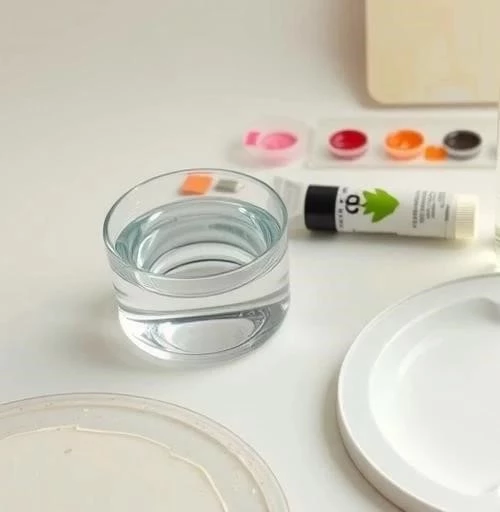
Acrylic paint can be thinned to change its flow, transparency, or suitability for a particular tool․ The best choice depends on what you are painting and the effect you want․ In most cases, use clean water for a small adjustment or a purpose-made acrylic medium when you need greater control․ Avoid adding an unknown household liquid: it may interfere with adhesion, drying, or the paint’s long-term stability․
Water: the simplest option
Water is suitable for slightly loosening ordinary water-based acrylic paint, especially for brushwork on a prepared surface․ Add a few drops at a time and mix thoroughly․ This makes paint easier to spread, but it also reduces the amount of acrylic binder in each brushstroke․ If you add too much, the color may become weak, streaky, or less durable, and it may not adhere well․
There is no single safe dilution ratio for every paint․ Formulas, pigments, surfaces, and intended techniques differ․ As a conservative starting point, use only enough water to reach the desired consistency, and test the mixture on scrap material․ For a transparent wash, more dilution may be useful, but several thin layers are usually safer than one very watery coat․ Do not assume that a ratio recommended for one brand or technique applies to all paints․
Acrylic mediums: the most versatile choice
Acrylic mediums are designed to mix with acrylic paint․ They thin or modify it while adding compatible binder, so they are often a better choice than large amounts of water when you want the color to remain cohesive and adhere reliably․ Follow the product label: mediums vary in finish, thickness, and intended use․
- Fluid or pouring medium: makes paint flow more freely and can help it spread smoothly․ Pouring medium is formulated for fluid artwork; it is not automatically a substitute for every paint thinner․
- Glazing medium: creates transparent layers without relying on excessive water․ Apply a thin glaze over a dry layer and let it dry before adding another․
- Airbrush medium: is intended to improve flow through an airbrush․ Use it in the proportions specified by the paint and equipment makers․
- Matte or gloss medium: changes the surface finish while mixing with the paint․ Choose the finish you want, since it may affect the appearance of the dried color․
Choose by your goal
For ordinary brush painting, start with a little water or a small amount of fluid medium․ For transparent color, choose glazing medium or build up careful, thin washes․ For smooth pours, use a pouring medium rather than simply adding lots of water․ For airbrushing, use paint and an airbrush medium recommended for your model; overly thick paint can clog the nozzle, while an unsuitable mixture can spray poorly or dry on the tip․
For miniature painting, a small amount of water can improve brush flow, but very thin paint may run into recesses or leave uneven coverage․ For painting on canvas, wood, or a primed surface, keep the paint sufficiently binder-rich to form a continuous film․ If you are painting fabric, leather, or another flexible material, use a product specifically labeled for that surface and follow its curing instructions․
What not to use
Do not thin acrylic paint with oil, turpentine, or white spirit․ These are not compatible with water-based acrylic paint and can cause separation, poor adhesion, or an unstable finish․ Household cleaners, alcohol, and dish soap are also unreliable substitutes; they may change how the paint behaves and can damage the surface or paint film․ A retarder is not a general-purpose thinner: it slows drying and should be used only as directed, because too much can leave paint tacky or slow curing․
A safe mixing method
- Read the paint and medium labels, and check that the products are compatible․
- Put a small amount of paint in a palette or clean mixing cup․
- Add water or medium gradually, stirring until the mixture is even․
- Test it on a spare piece of the same or a similar surface․ Check flow, coverage, drying, and finish․
- Adjust in small steps․ If the paint has become too watery, add more paint or a suitable medium rather than trying to rescue it with another household product․
Mix only what you need, keep containers clean, and close paint and medium bottles after use․ When spraying, avoid breathing airborne paint: use ventilation and the protective equipment recommended by the paint and airbrush manufacturers․ Let test pieces dry fully before judging adhesion or color, since wet acrylic often looks different from its dried finish․
Bottom line
Use water for modest thinning, and use an acrylic medium when you need extra flow, transparency, or a more controlled result․ Add either gradually, test the mixture, and follow the product instructions․ The right choice preserves the qualities that matter most: smooth application, reliable adhesion, and a durable dried paint film․


9 Comments. Оставить новый
The distinction between a glazing medium and a pouring medium is useful. It helps readers avoid assuming every acrylic medium has the same purpose.
The guidance is easy to follow and appropriately cautious. It explains when a little water may work and when a purpose-made medium is a better choice.
I appreciate the emphasis on adding water gradually rather than relying on a fixed dilution ratio. Different paints and techniques really do call for different approaches.
Good practical advice, especially about following the product label. Mediums can vary a lot, so that’s an important point for beginners.
This gives a useful overview without suggesting one ratio works for every brand. A follow-up with examples for different painting techniques would be welcome.
I like that the article recommends several thin layers for washes instead of one overly watery coat. That’s a helpful tip for getting more consistent results.
This is a clear, practical explanation of why water and acrylic mediums aren’t interchangeable. The reminder to test a mixture on scrap material is especially helpful.
Helpful and beginner-friendly. I’d also be interested in guidance on how to tell when a paint mixture has become too diluted, but the advice here is a strong starting point.
A concise and sensible guide. The explanation of how too much water can weaken a paint layer makes the advice more informative than simply saying to thin it.