
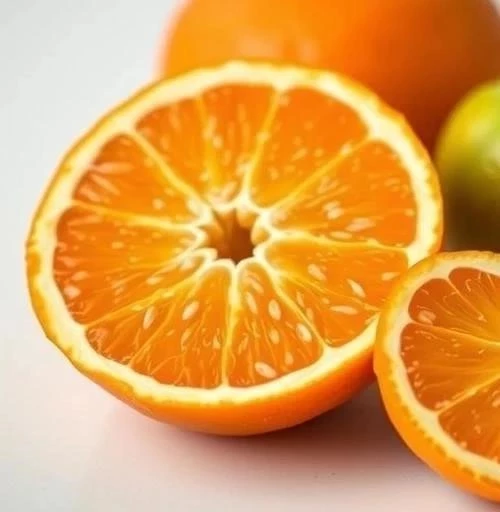
A bitter orange does not necessarily mean that the fruit has gone bad․ Bitterness can come from the orange’s natural chemistry, its variety and ripeness, or the way it was cut, squeezed and stored․ Identifying the likely cause helps distinguish an ordinary flavor from a sign of spoilage․
Natural bitter compounds
Oranges contain several compounds that can taste bitter․ Some are concentrated in the peel, seeds and white spongy layer beneath the peel, called the pith․ If these parts are chewed or crushed during juicing, their flavor can seep into the juice․ This is why squeezing an orange very hard, or blending it whole, may produce a harsher drink than gently pressing the flesh․
Bitterness can also develop in juice after it is extracted․ In some citrus fruits, a compound called limonin forms or becomes more noticeable after cutting and pressing, so juice that tastes mild at first may turn bitter as it stands․ The effect varies with the fruit and processing․ Naringin is another bitter compound, especially associated with grapefruit, though citrus varieties differ in their levels of bitter substances․
Variety and ripeness matter
Some oranges are naturally more tart or bitter than others․ Seville oranges, for example, are valued for marmalade but are much sharper and more bitter than common sweet oranges․ A fruit picked before it is fully ripe may also taste unpleasantly sour and seem bitter․ Color alone is not a dependable measure of ripeness: temperature and growing conditions affect peel color, while flavor depends on the balance of sugars and acids inside․
Handling and storage
Damage, prolonged storage or exposure to unsuitable temperatures can change an orange’s flavor and texture․ A bruised fruit may taste different because its tissues have been injured․ If the orange smells fermented, has mold, feels unusually soft or leaks, do not eat it; these are stronger warning signs of spoilage than bitterness by itself․ A merely bitter but otherwise fresh orange may simply be a less sweet variety or have had pith or seeds mixed into the juice․
What to do
- Taste a small piece of the flesh separately from the peel and pith․
- Remove seeds and avoid scraping the white layer when zesting or juicing․
- Drink fresh juice soon after pressing, rather than leaving it to stand․
- Discard fruit with mold, an off smell or a slimy, leaking texture․
In short, bitterness is usually explained by natural compounds, variety, ripeness or preparation—not by a single universal cause․ If the orange looks and smells normal, its bitter taste alone is not proof that it is unsafe; however, spoilage signs are a reason to throw it away․

9 Comments. Оставить новый
I found the point about peel color not reliably indicating ripeness valuable. Many people judge an orange by appearance, but the article correctly notes that growing conditions can affect color independently of flavor.
A helpful overview of the likely causes, from variety and ripeness to storage. The safety advice is appropriately cautious and makes clear that bitterness by itself is not enough to determine spoilage.
This clearly explains why freshly squeezed juice can become more bitter after standing. It would be helpful to add that tasting the juice soon after extraction may preserve its milder flavor.
The comparison with Seville oranges gives a useful example of how bitterness can be a normal feature of a variety rather than a sign that fruit has spoiled.
This is a balanced guide because it does not treat every bitter orange as unsafe, while still identifying sensible warning signs such as mold, leaking and a fermented smell.
The distinction between natural bitterness and spoilage is useful. I especially appreciate the reminder that bitterness alone is not a reliable reason to discard an orange; smell, texture and visible mold provide better clues.
I appreciate the practical connection between how an orange is handled and how it tastes. Crushing the peel or pith during juicing is an easy detail to overlook.
The article explains the chemistry without making the subject difficult to follow. Clarifying that compounds vary among citrus fruits also helps avoid assuming every orange will behave the same way.
The explanation about the pith, seeds and peel makes sense, particularly for people who use blenders. Gentle juicing is a practical tip that follows directly from the causes described.