
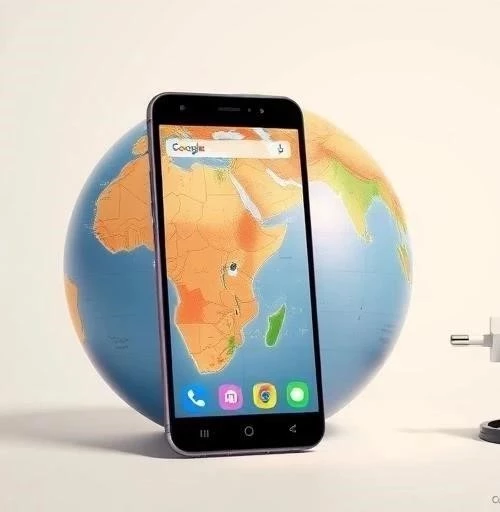
When shopping for a Xiaomi phone‚ you may see labels such as Global Version‚ Global ROM‚ and Chinese Version. These terms sound interchangeable‚ but they describe different things. Understanding the distinction matters: a phone that works well in one country may have limited network support‚ software complications‚ or less convenient warranty service elsewhere. “Global version” is useful shorthand‚ not a guarantee that every aspect of a device is international.
Global version and Global ROM are not the same
A phone’s hardware version is the model manufactured for a particular market or group of markets. A ROM is the operating system and software installed on it. A genuine international-market Xiaomi phone usually has hardware intended for sale outside mainland China and software designed for those markets. By contrast‚ a seller may take a Chinese-market phone and install‚ or advertise it with‚ international software. That does not turn its hardware into a global model.
This distinction is the central point: software cannot add missing hardware features. A Global ROM may provide familiar languages and Google services‚ but it cannot create an absent cellular frequency band‚ change the phone’s physical radio design‚ or automatically qualify the device for local warranty coverage. Therefore‚ buyers should verify the exact model number and market version rather than relying on a listing title alone.
What you can generally expect
A genuine global-market Xiaomi device is typically configured for international users. Depending on the model and region‚ it may include a wider selection of system languages‚ Google Play and other Google Mobile Services‚ and software settings suited to markets outside China. It will normally receive official updates through the software channel intended for that variant. The exact apps‚ features‚ update schedule‚ and supported languages can still differ by model‚ country‚ and software release.
Global-market hardware may also support cellular bands used in more countries. However‚ “global” does not mean universal compatibility. Network operators use different 4G and 5G bands‚ and coverage depends on the precise phone variant as well as the carrier. Before buying‚ compare the device’s supported bands with those listed by your operator. Also check practical requirements such as VoLTE‚ eSIM‚ or 5G support; availability can depend on both the model and the carrier.
How a Chinese-market phone differs
A China-market Xiaomi phone is primarily intended for mainland China. It may ship with Chinese-oriented software‚ fewer preinstalled international services‚ and hardware whose band selection is focused on that market. Some Chinese versions can be less expensive or released earlier‚ which makes them tempting imports. But installing a different ROM‚ where possible‚ does not remove those market-specific limitations.
There is also a difference between an official Global ROM and a ROM installed by a reseller. A seller-modified device may have an unlocked bootloader‚ altered software‚ or a system that does not receive updates in the normal way. Possible consequences include security concerns‚ update failures‚ problems with banking or payment apps‚ and reduced reliability. These outcomes are not inevitable‚ but they are reasons to ask exactly what software is installed and whether the bootloader is locked.
How to check before you buy
- Find the exact model number. Compare it with Xiaomi’s official specifications for the intended region. Do not rely only on phrases such as “international‚” “global ROM‚” or “global edition.”
- Check the network bands. Confirm compatibility with your carrier’s 4G and 5G networks‚ including any bands important for coverage where you live or travel.
- Ask about the software and bootloader. Confirm whether the device has official firmware for its hardware variant‚ whether it is eligible for official updates‚ and whether its bootloader is locked.
- Verify Google services and regional features. Check that the specific model supports the services and functions you need; do not assume every feature is present simply because the listing says “Global.”
- Read the warranty terms. A phone imported from another market may not be covered by Xiaomi’s local service centre; Confirm who handles repairs‚ returns‚ and software support.
Is the global version the better choice?
For most buyers who want a straightforward phone for daily use‚ the genuine global-market version is usually the safer option. It is more likely to match local network requirements and provide expected international software and support. That convenience may cost more than an imported Chinese version‚ but a lower purchase price is not necessarily a saving if the phone lacks a needed band‚ has modified firmware‚ or cannot be repaired locally.
An import can still make sense for an informed buyer who has checked the precise variant‚ understands its software status‚ and accepts the warranty and compatibility risks. The sound conclusion is not that every global version is perfect or every China-market phone is unusable. It is that the label alone proves very little. Check the hardware‚ firmware‚ network compatibility‚ and warranty together. In short‚ when someone asks “Global Version‚ what is it on Xiaomi?”‚ the best answer is: an international-market variant—provided the phone is genuinely that variant‚ not merely a Chinese model carrying a Global ROM.

9 Comments. Оставить новый
Warranty coverage is an important point to consider alongside bands and software. A lower price may be less attractive if service depends on returning the phone to another market.
This is a practical reminder to look beyond the words “Global Version” in a listing. Checking the exact model number is a more dependable way to confirm what hardware is being sold.
This article gives buyers a sensible checklist: verify the model, network compatibility, software variant, and warranty terms. Each can affect everyday use, and none should be assumed from a product title.
The distinction between a phone’s hardware version and its ROM is especially useful. A seller can change the software, but that alone cannot make a Chinese-market device support every network band or qualify for the same warranty as an international model.
The advice to confirm the exact variant is valuable because regional differences can be easy to overlook when comparing similar-looking phones. A little research before buying can prevent network or support problems later.
The central distinction is explained clearly without suggesting that every Chinese-market phone is unsuitable. The important issue is whether its specific hardware and software meet the buyer’s needs and local requirements.
I appreciate that the article avoids treating global models as identical everywhere. Language options, services, updates, and network support can vary by model and region, so buyers still need to check the details for their location.
The explanation of Global ROMs helps clarify why familiar menus and Google services do not prove that a device was built for international markets. Software convenience and hardware compatibility are separate questions.
It is helpful to separate official international software from software installed by a seller. Buyers should ask how updates are delivered and whether the device’s software can be maintained reliably.