
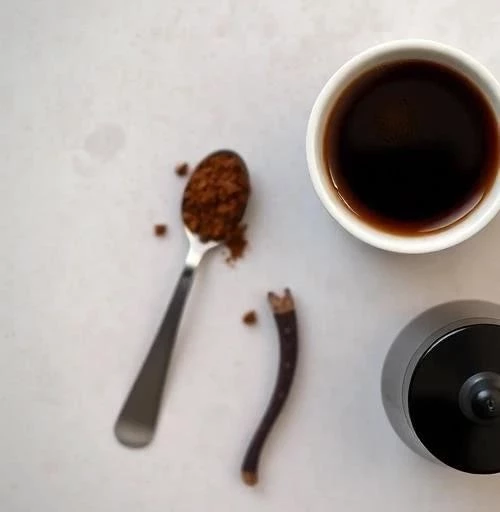
Espresso with chocolate can be a satisfying, low-calorie drink, but it is not a weight-loss remedy. No coffee or chocolate “burns fat” enough to replace an overall eating pattern that supports a calorie deficit. The drink can still be useful: prepared thoughtfully, it may satisfy a craving for a richer beverage without the large amounts of sugar, cream, and energy found in many café versions. Its value is practical, not magical.
Why the ingredients matter
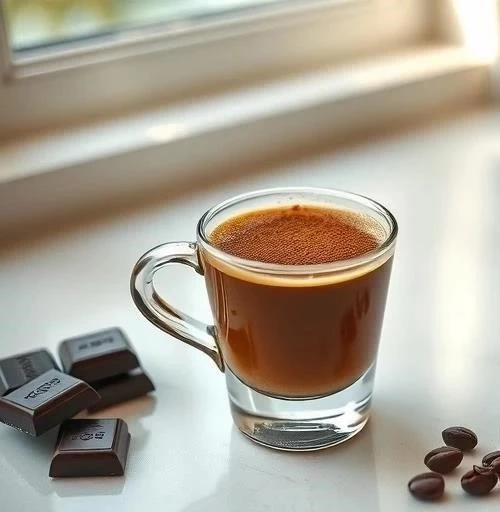
Plain espresso contains very few calories. Unsweetened cocoa adds a pronounced chocolate flavor and small amounts of fiber and minerals, while contributing relatively little energy in a modest serving. The calorie total rises quickly, however, when the cup includes chocolate syrup, sweetened drinking chocolate, whipped cream, or generous amounts of milk. Those ingredients are not forbidden, but they should be counted honestly if weight loss is the goal.
Caffeine may temporarily increase alertness and can slightly affect appetite or energy expenditure for some people. These effects vary and are not a dependable route to lasting fat loss. Tolerance develops, and adding sugar or high-calorie extras can outweigh any small effect. It is more reasonable to treat espresso as a flavorful drink—and, if desired, a substitute for a more calorie-dense coffee—rather than as a metabolism booster.
Light chocolate espresso recipe
Yield: 1 serving
Preparation: about 5 minutes
Ingredients
- 1 shot of espresso (about 30 ml), or 60 ml of strong brewed coffee
- 1 level teaspoon unsweetened cocoa powder
- 1–2 teaspoons hot water, to make a smooth cocoa paste
- 60–100 ml unsweetened milk or fortified plant milk, optional
- A few drops of vanilla extract or a small pinch of cinnamon, optional
- Sweetener to taste, optional; choose an amount that fits your preferences
Method
- Put the cocoa in a small cup. Stir in the hot water a little at a time until it forms a smooth paste. This step helps prevent dry cocoa from clumping in the espresso.
- Pull a shot of espresso and pour it over the cocoa paste. Stir until evenly combined. Add vanilla or cinnamon if you like.
- For a creamier drink, warm the milk and froth it, then pour it over the espresso. Taste before sweetening; strong coffee and cocoa can taste pleasantly rich without much added sugar.
- Serve immediately. For an iced version, let the espresso cool, pour it over ice, and add cold milk if desired.
Calories depend on the exact ingredients and serving sizes. Espresso and a teaspoon of unsweetened cocoa make a low-calorie base, but milk and sweetener change the total. Check product labels rather than relying on a single calorie estimate, especially for plant milks, which differ in added sugar and energy content; Measuring cocoa and milk for the first few servings can also prevent a “small splash” from quietly becoming a large pour.
How it can fit a weight-loss plan
Weight loss generally requires a sustainable energy deficit over time: taking in fewer calories than the body uses. This drink can fit that approach when it replaces a more energy-dense beverage and remains enjoyable enough to keep the change realistic. For example, choosing unsweetened cocoa and modest milk instead of syrup and whipped cream may reduce the drink’s calories. The benefit comes from that substitution, not from a special property that makes the body lose weight.
Pair the drink with habits that have stronger evidence: meals built around vegetables, fruit, protein-rich foods, and high-fiber choices; portions that suit your needs; regular movement; adequate sleep; and a plan you can maintain. A sweetened espresso is not a failure, either. If you prefer a little sugar, include it deliberately rather than treating foods as morally “good” or “bad.” Consistency matters more than making every choice perfect.
Timing, caffeine, and sensible precautions
Espresso contains caffeine, and the amount varies by bean and preparation. If caffeine makes you jittery, anxious, or prone to a racing heartbeat, choose decaf or skip the drink. It can also worsen reflux for some people. Avoiding caffeine late in the day is sensible if it disrupts your sleep; poor sleep can make appetite and healthy routines harder to manage. Pregnant people, those with certain medical conditions, and anyone advised to limit caffeine should follow guidance from a qualified health professional.
Do not use this recipe as a meal replacement or as a way to suppress hunger. A drink has little protein and may not keep you satisfied for long. If you are hungry, choose a balanced meal or snack rather than trying to ignore hunger with coffee. Anyone experiencing unexplained weight changes, a history of disordered eating, or difficulty managing weight should seek individualized advice from a clinician or registered dietitian.
The bottom line
Chocolate espresso can be a flavorful, relatively light option when made with unsweetened cocoa and measured additions. It may support a weight-loss plan as a satisfying alternative to a more calorie-dense drink, but it does not independently cause weight loss. Keep the recipe simple, adjust sweetness to taste, and focus on the broader pattern of eating and activity. That honest approach is more useful—and more sustainable—than expecting one cup to do the work of an entire plan.

6 Comments. Оставить новый
I appreciate the practical focus on what goes into the cup. Pointing out how syrups, sweetened chocolate, and cream affect the calorie total gives readers useful context without suggesting those ingredients must be completely avoided.
This is a sensible reminder that a drink’s usefulness depends on the overall eating pattern, rather than a supposed fat-burning property. The article could be even more useful with an estimated calorie range for the recipe, since milk and sweetener choices vary.
The article makes an important distinction between a flavorful drink and a weight-loss treatment. Its explanation that caffeine’s effects are modest and variable helps prevent readers from expecting a single ingredient to produce meaningful fat loss.
The recipe’s use of unsweetened cocoa and optional milk makes it adaptable to different preferences. I also like the practical suggestion to mix the cocoa with a little hot water first, which should help create a smoother drink.
The measured tone strengthens the advice: caffeine may affect people differently, and any small effect should not be treated as dependable weight-loss support. Readers are given a realistic way to enjoy chocolate flavor while paying attention to added ingredients.
The advice is balanced because it presents espresso with cocoa as one possible lower-calorie alternative, not a shortcut to weight loss. That framing is more helpful than overstating the effects of caffeine or cocoa.