
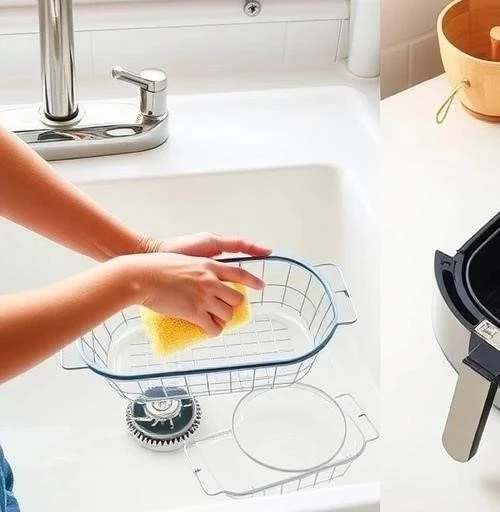
Cleaning an air fryer is easiest when it becomes part of the cooking routine․ A basket with a little fresh grease is usually simple to wash; a basket covered in baked-on residue takes more effort and may require aggressive scrubbing that can damage its non-stick coating․ Regular cleaning also removes food particles that can smoke, smell unpleasant, or affect the flavour of the next meal․ The safest approach is to clean the removable parts after they have cooled and to keep water away from the appliance’s electrical components․
Before you start
Switch the air fryer off, unplug it, and let it cool completely․ This is important for two reasons: hot metal can cause burns, and cold parts are less likely to be damaged by sudden changes in temperature․ Take out the basket, crisper plate, and any other removable accessories․ Check the manufacturer’s instructions before washing them, especially before putting them in a dishwasher․ Models differ, so a method that is suitable for one appliance may not be suitable for another․
How to wash the basket and tray
- Remove loose food and grease․ Tip crumbs into the bin and wipe excess oil with a paper towel․ Do not pour hot grease down the sink: it can contribute to blocked pipes․
- Soak if residue has stuck․ Fill the basket or tray with warm water and add a small amount of mild dishwashing liquid․ Leave it for about 10–20 minutes․ Soaking softens food, making it easier to remove without scraping․
- Wash gently․ Use a soft sponge, cloth, or non-scratch brush to clean the surface, corners, and underside of the crisper plate․ Work carefully around the coating․ A soft brush can reach the holes in a perforated plate․
- Rinse and dry fully․ Rinse away all soap, then dry each part with a clean towel or leave it to air-dry completely before putting it back․
Do not use steel wool, metal utensils, abrasive scouring pads, or harsh oven cleaner on coated accessories․ They can scratch or weaken the non-stick finish, making food more likely to stick later․ Avoid forcing a stuck-on patch off with a knife․ Soaking and patient, gentle brushing are safer than applying more pressure․
Cleaning the inside and heating element
Never immerse the main air fryer unit in water or hold it under a running tap․ The housing contains electrical components, and water entering it can create a risk of electric shock or damage the appliance․ Instead, wipe the inside with a lightly damp, soft cloth, then wipe again with a clean cloth․ The cloth should be damp, not dripping;
If grease or crumbs have collected near the heating element, first make sure the appliance is unplugged and completely cool․ Turn it carefully so you can see the element, following the manual if it explains how to access this area․ Use a soft, dry brush to loosen crumbs․ For a greasy mark, use a barely damp cloth only if the manufacturer permits it, and keep moisture away from electrical connections․ Do not pull, bend, or scrub the element․ Let everything dry thoroughly before using the fryer again․
Wipe the outside with a soft damp cloth and dry it afterwards․ Do not spray cleaner directly onto the controls, vents, or housing․ Spray can run into openings even when the surface appears protected․ A little dish soap on the cloth is generally enough for ordinary marks; follow the product instructions for any specialist cleaner․
What about the dishwasher?
Some air-fryer baskets and trays are labelled dishwasher-safe, while others are not․ Check the manual or the markings on the parts rather than assuming that all removable pieces can go in the dishwasher․ High heat and strong detergent may shorten the life of some coatings․ Even when dishwasher use is allowed, hand-washing is often a gentler choice for a non-stick surface and can help it remain in good condition longer․
Removing stubborn grease or odours
For stubborn residue, repeat the warm, soapy soak instead of reaching for a harsh chemical․ A soft paste made from baking soda and a little water may help with a persistent mark on a removable part, but test it gently and check the manual first; baking soda can be mildly abrasive․ Rinse the part especially well afterwards․ Do not mix cleaning products, and never use flammable solvents inside the appliance․
If an odour remains, wash and dry the basket and tray again, then check the interior for hidden crumbs or grease․ Food debris left near the heating area can smell when heated․ Do not try to mask a persistent burning smell with fragrance or continue cooking to see whether it disappears․ Unplug the appliance and consult the manual or the manufacturer if the smell continues after cleaning․
How often should you clean it?
Wash the basket and tray after each use, once they are cool․ Wipe visible splashes from the interior and exterior, and check the heating area regularly for crumbs․ A more thorough inspection is useful whenever you cook oily foods or notice smoke, residue, or an unusual smell․ Cleaning promptly is not merely cosmetic: accumulated grease can smoke at high temperatures, while old food can transfer unwanted flavours to a new meal․ Regular gentle care is therefore more effective—and usually easier—than occasional forceful scrubbing․
Quick safety checklist
- Unplug the air fryer and let it cool before cleaning․
- Wash removable parts according to the manufacturer’s instructions․
- Keep the main unit, vents, and electrical parts out of water․
- Choose soft tools and mild detergent; avoid abrasive or metal scrubbers․
- Make sure every part is completely dry before reassembling or switching the fryer on․
The key principle is simple: clean the parts that touch food thoroughly, but treat the appliance itself gently․ Warm water, mild soap, a soft sponge, and complete drying are enough for most routine cleaning․ Following the manual and avoiding unnecessary force protects both the air fryer’s coating and its electrical components․



5 Comments. Оставить новый
The warning against pouring grease down the sink is a useful detail that is easy to overlook. The cleaning steps are sensible and explain how small habits can protect both the appliance and household plumbing.
This is a clear reminder that routine cleaning is about more than appearance. Removing crumbs and grease can reduce smoke and unpleasant smells during later cooking.
The advice to let the appliance cool and unplug it before cleaning is especially useful. It puts safety first while also explaining why cleaning warm parts can cause problems.
I appreciate the emphasis on checking the manufacturer’s instructions. Air fryer accessories vary, so avoiding a blanket recommendation about dishwasher use makes this guidance more dependable.
The suggestion to soak stuck-on residue before washing is practical. It offers a gentler alternative to scraping, which can help preserve the non-stick coating over time.