
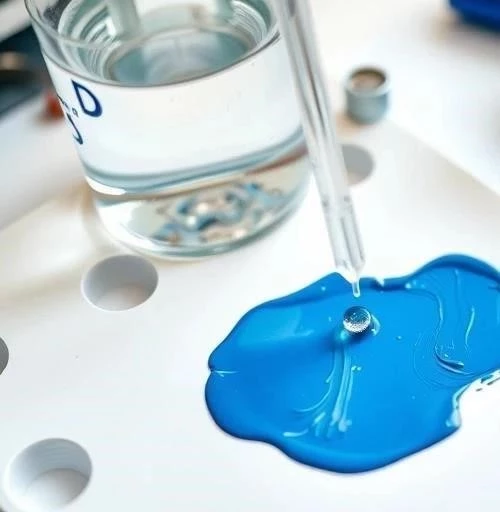
Acrylic paint is a small, clever chemistry set disguised as a tube of colour․ It contains pigment, water and a polymer binder—the ingredient that helps the pigment cling to a surface when the paint dries․ Add the right liquid and the paint flows like a quiet stream․ Add the wrong one, or too much, and that stream can lose its strength․
The short answer: water
For most ordinary acrylic paints, clean water is the simplest thinner․ It lowers the paint’s viscosity, making it easier to spread, brush, or use for a transparent wash․ Start with a few drops, mix thoroughly, then test the paint on a scrap of the same surface․ There is no single perfect ratio: a fluid student acrylic and a dense artist-grade colour will not behave alike․
Use room-temperature water and add it gradually․ A palette knife, dropper, or small spray bottle gives you more control than pouring from a glass; If the paint still feels too thick, add a little more․ If it begins to run, lose coverage, or separate into watery puddles and pigment, you have probably gone too far․
When water is enough—and when it isn’t
Water is useful for ordinary brushwork, quick washes, and modest flow adjustments․ But paint is not simply coloured water․ Its binder forms the film that holds pigment to the surface․ Diluting heavily with water can leave too little binder around the pigment, so a dry layer may become weak, uneven, chalky, or easy to rub away․
For a light wash, thin paint sparingly and work on a suitable, prepared surface․ Build transparent colour in several dry layers instead of trying to make one layer extremely watery․ Let each pass dry before adding the next; acrylics often dry quickly, but a cool room, thick application, or humid air can slow them down․
For smoother flow, reach for acrylic medium
If you need a larger amount of thinning, want a more reliable glaze, or need the paint to keep its grip, use an acrylic medium․ A fluid medium can improve flow while adding polymer binder back into the mixture․ A glazing medium is designed for transparent layers; a matte or gloss medium changes the finish as well as the handling․ Choose one labelled for acrylic paint, and follow its instructions․
Medium is not a magic potion, and different products do different jobs․ Add it a little at a time, mix well, and test the result․ Too much medium can make colour look unexpectedly transparent or alter the sheen․ For a dependable glaze, mix paint with glazing medium first; add only a small amount of water if the manufacturer allows it․
Special case: airbrushes and fine detail
Acrylic paint for an airbrush usually needs to be much more fluid than paint for a brush․ The best choice is the paint maker’s airbrush thinner or reducer, which is formulated to help paint pass through a fine nozzle and dry into a workable film․ Ordinary water may work with some paints and equipment, but it can also encourage poor flow, tip-drying, or weak coverage․
Thin in small steps and test-spray on scrap material․ The right consistency depends on the paint, nozzle, pressure, and surface—not on a universal recipe․ Strain the mixture if appropriate, clean the airbrush promptly, and follow the equipment and paint instructions․ Wear suitable protection and ventilate the work area, especially when spraying: fine airborne paint is not something to breathe for the sake of a perfect mist․
What about retarder?
Acrylic retarder slows drying; it is not a general-purpose thinner․ It can give you more time to blend, but too much may leave a layer tacky or interfere with drying․ Use it only in the proportion stated on its label․ If the goal is simply to make paint flow, choose water or an acrylic medium instead․
What not to use
- Turpentine or oil-paint thinner: these are for different paint systems and are not the right diluent for water-based acrylics․
- Random household solvents: alcohol, cleaning products, and similar liquids can disrupt the paint, damage a surface, or create avoidable fumes․
- Large amounts of water: excessive dilution can weaken the paint film and make colour behave unpredictably․
- Water as a resurrection spell: once acrylic paint has dried hard, adding water will not restore it to fresh paint․ Keep lids closed and clean tools before the paint sets;
If a paint label recommends a particular thinner, trust that label over a generic online ratio․ Formulas vary, and some acrylics are designed to be used straight from the tube․ Never mix unknown products just to see what happens; a lumpy palette is a poor laboratory․
A quick mixing ritual
- Place a small amount of paint on a palette and keep the original container clean․
- Add a few drops of water for a minor adjustment, or use the appropriate acrylic medium for greater flow or transparency․
- Mix until the colour looks even, then test a stroke on scrap material․
- Check coverage and adhesion after it dries․ Adjust the next batch rather than flooding the first one․
Choose by the job
For ordinary brush painting: use paint as it is, or add a little water․ For a transparent glaze: choose glazing medium․ For more fluid brushwork: try a flow or fluid medium․ For an airbrush: use the compatible airbrush reducer․ For longer blending time: use a small, label-approved amount of retarder․
Before applying diluted acrylic to a final artwork, test it on a sample of the same material․ Paper, canvas, wood, plastic, and a primed wall all behave differently․ A test reveals whether the colour spreads, beads, stains, or dries with the finish you wanted․
The useful rule of thumb
Thin only as much as the task requires․ Water is the quick, inexpensive answer for modest adjustments; acrylic medium is the better partner when you need flow or transparency without sacrificing the paint’s film․ For specialized tools, use the product made for that tool․ Add slowly, test, and let the dried sample give the final verdict․ The best mixture is not the runniest one—it is the one that moves beautifully while still leaving colour firmly where you put it․


2 Comments. Оставить новый
The scrap-surface test is the unsung hero here: a small rehearsal before the paint takes the stage. I also like the reminder that “thinner” is not always the same as “better”; sometimes the paint needs a medium, not another splash of water.
This turns paint advice into a tiny chemistry lesson without making the palette feel like a laboratory. The distinction between adding water and preserving the binder is especially useful—it explains not just what to do, but why a wash can go weak.