
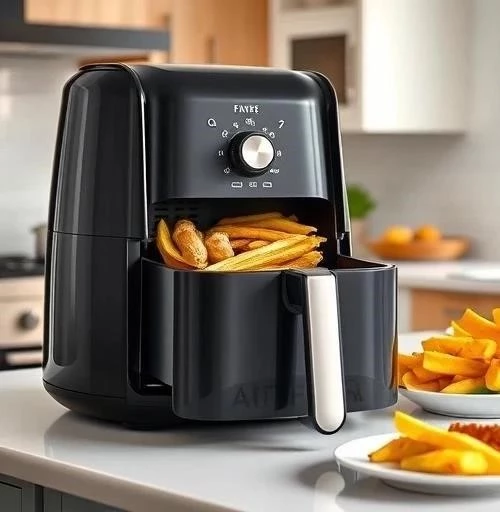
An air fryer is a countertop appliance that cooks by circulating hot air around food․ A heating element warms the air, while a fan moves it through the cooking chamber․ The rapid airflow helps brown and crisp the surface, often with less oil than deep-frying․ Despite its name, an air fryer does not fry food in the same way as a pan or deep fryer; it is closer to a compact convection oven․
Everyday cooking uses
Roasting and browning: The appliance can roast vegetables, potatoes, chicken pieces, fish and other foods․ Hot air encourages a browned exterior while the inside cooks․ A small amount of oil can help vegetables or fresh potatoes color evenly, but many frozen foods already contain oil․
Reheating: An air fryer can restore crispness to items such as pizza, roasted vegetables and some breaded foods․ It is often more effective for these than a microwave, which heats quickly but can leave a soft or chewy texture․ Reheating time varies with portion size and appliance model․
Baking: Many models can bake small cakes, muffins, biscuits, pastries and similar dishes when suitable oven-safe cookware fits inside․ The cooking space is limited, and the fan may brown the top quickly, so recipes may need adjusted temperatures or shorter cooking times․
Grilling-style cooking: Air fryers can cook items such as sausages, kebabs, fish fillets and burgers․ Some models include a grill plate or other accessories․ The result is not identical to outdoor grilling, since the appliance does not usually produce smoke or the same direct flame-charred flavor․
Cooking from frozen: Frozen fries, vegetables, fish fingers and other prepared foods can often be cooked without thawing first․ Shake or turn the food during cooking when appropriate, and follow package directions as a starting point․ Different appliances may require different times․
How the appliance works best
Air needs room to circulate․ Arrange food in a single layer where possible, and avoid filling the basket tightly․ Large quantities may cook unevenly or take longer; cooking in batches can give more consistent browning․ Shaking the basket or turning larger pieces partway through can expose more surfaces to the hot air․
Preheating can help some foods cook evenly, although it is not necessary for every recipe or model․ Check food near the end of the suggested cooking time, since compact appliances can heat quickly․ For meat, poultry and fish, use a food thermometer and follow safe internal-temperature guidance rather than relying on color alone․
Oil is optional for many foods, but a light coating can improve browning and help seasonings adhere․ Use only a small amount, and avoid pouring oil into the drawer or onto the heating element․ Excess oil, loose parchment or lightweight food can interfere with airflow or create a safety risk․ Use accessories only as directed by the manufacturer․
What it cannot do
An air fryer does not make every food crispy, and it cannot reproduce deep-fried results exactly․ Wet batters may drip before they set, while very light ingredients can be blown around by the fan․ Foods that need plenty of liquid, such as soups and stews, are generally better prepared on a stovetop or in a suitable oven-safe covered dish․ Capacity also limits how much can be cooked at once․
Cooking results depend on the food, its thickness, the amount in the basket and the appliance’s power․ A time or temperature from one recipe may not transfer perfectly to another model․ Adjust gradually, keep notes for familiar foods, and do not block the air vents․ If a recipe uses a conventional oven, check progress earlier than its stated finishing time․
Cleaning and safe use
Unplug the appliance and let it cool before cleaning․ Wash removable parts according to the manual, using non-abrasive tools to protect non-stick surfaces․ Wipe the interior and exterior as instructed, and remove grease or crumbs regularly․ Do not immerse the main unit in water․ Place the fryer on a stable, heat-resistant surface with adequate clearance around its vents․
An air fryer is useful for roasting, browning, reheating, baking small portions and cooking many frozen foods․ Its main strengths are quick heating, convenient operation and the ability to produce crisp surfaces with little added oil․ It is not a universal replacement for an oven, stovetop or deep fryer, but it can handle many everyday tasks efficiently when food is arranged with enough space and cooking is monitored․


7 Comments. Оставить новый
The section on baking explains both what the appliance can do and its space limitations.
The practical guidance about airflow and avoiding overcrowding makes the information easy to apply.
The comparison with a convection oven provides useful context for understanding the appliance.
The explanations are straightforward and cover several everyday uses without overstating the results.
The article clearly explains how an air fryer works and distinguishes it from deep-frying.
The range of cooking uses is helpful, especially the notes on reheating and cooking frozen foods.
The article appropriately notes that cooking results and times can vary between appliance models.