Yes, cooked tomato pasta can often be frozen․ It remains a convenient meal, though its texture may change slightly․ This is suitable for many tomato-based recipes and common portions as well․
How to Freeze Pasta with Tomato Sauce: Freezing Tomato Sauce, Using an Airtight Freezer Container, and Storing Cooked Pasta
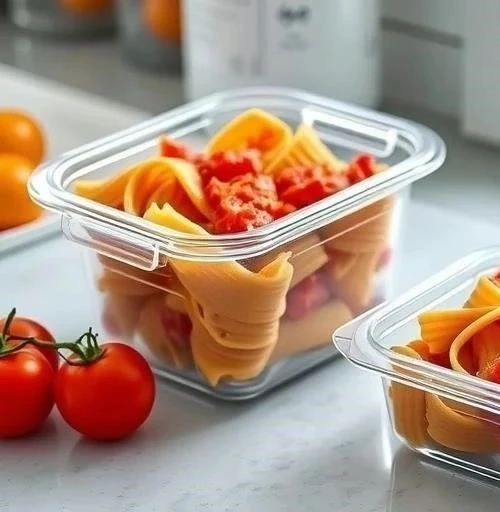
Cool cooked tomato pasta promptly after cooking, without leaving it at room temperature for long․ For an even freeze, keep the sauce separate or combine it with the pasta once both are cool․ Cook noodles just until barely tender, as they soften during storage․ Toss them lightly with tomato sauce, avoiding excess liquid․ Divide into useful portions and place each in a clean, freezer-safe airtight container or sturdy freezer bag․ Leave a little headspace for expansion, press excess air from bags, and seal every package firmly․ Label portions with contents and preparation date, and keep container rims clean․ Freeze tomato sauce separately in a sealed container if you prefer to assemble the dish later․ Add fresh herbs or delicate cheese after freezing for a brighter finish․ Use shallow portions to help the food cool evenly before packing, and never seal steaming pasta in a container, since trapped moisture can soften noodles and encourage ice crystals․ Pack only fully cooled food․ Keep bags sealed․
Storing Pasta in the Freezer: Pasta Freezer Storage Time and How Long Tomato Pasta Keeps
For the best quality, keep cooked tomato pasta in a freezer that stays at 0 °F (-18°C) or colder․ At this temperature, it remains safe indefinitely, although its flavor and texture gradually decline․ Aim to use it within one to two months for the most satisfying result; a well-sealed portion may remain acceptable for about three months, but quality is not guaranteed․ These are quality guidelines, not a promise that every batch will taste the same․
Storage time depends on the ingredients and how steadily the freezer maintains its temperature․ Pasta with a rich tomato sauce usually holds up better than versions containing cream, delicate vegetables, or lots of cheese․ Frequent temperature changes can cause ice crystals and dry edges, while a tightly sealed package helps limit freezer burn and odor absorption․ Keep the freezer organized, avoid overloading it in a way that blocks cold-air circulation, and check that the appliance is running properly․ Date each package; use old portions first․
How to Thaw Pasta and Reheat Frozen Pasta: Taste and Texture After Freezing and Pasta After Thawing
Thaw tomato pasta overnight in the refrigerator, or reheat it straight from frozen when time is short․ For refrigerator thawing keep the portion covered and warm it promptly; do not leave it on the counter․ On the stove, add a splash of water, then stir gently over low heat until steaming throughout․ Stir carefully, since noodles can break once soft, and continue until the sauce is hot throughout․ Aim for an even, piping-hot center before serving; stir once more and check a thick clump, not just the edges․ After warming, the sauce may look looser and the noodles softer than when freshly cooked, but gentle heating helps preserve a pleasant bite․ Taste and adjust seasoning only after reheating, because chilling can mute the tomato’s brightness․ If using a saucepan, warm gently and loosen thick sauce with a little water; avoid vigorous boiling, which can make the pasta mushy․ Serve promptly once hot; check the center carefully, since a cold spot needs more heating before eating․
Can You Freeze Pasta with Sauce Again? Refreezing Pasta and Food-Safety Considerations
Refreezing tomato pasta is possible only when it has been handled safely, but each freeze-thaw cycle can further soften noodles and dull the sauce․ If it thawed in the refrigerator and stayed at 40°F (4°C) or colder, you may freeze it again within three to four days; for best quality, avoid doing so․ Discard it if it sat at room temperature for over two hours, or one hour above 90°F (32°C)․ Smell and appearance cannot reliably reveal unsafe food․
If you thawed the portion in a microwave or cold water, reheat it to 165°F (74°C) before refreezing․ Cool leftovers promptly in shallow portions, refrigerate within two hours, and keep them covered․ Never refreeze pasta that was left warm for too long, and do not rely on reheating to make mishandled food safe․ When in doubt, throw it out․ Take only what you expect to eat, and keep utensils clean to avoid transferring bacteria between the dish and stored portions․ Use safe portions; avoid needless refreezing at all․