
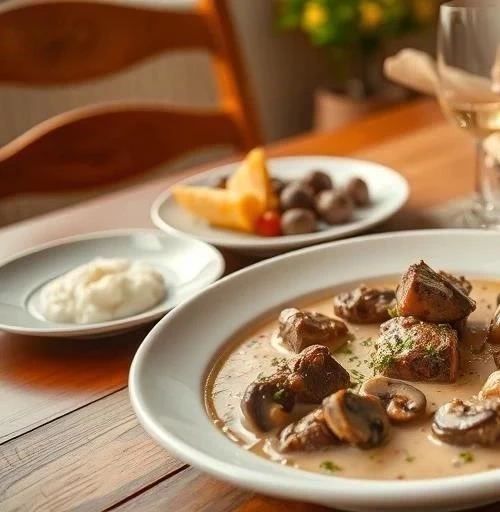
Homemade beef in cream sauce earns its place at a guest table: its balanced richness feels special, while a dependable method makes this welcoming main course practical indeed․
Ingredients and Preparation: Why Beef, Cream, and Thoughtful Seasoning Matter
For a dependable homemade dish, choose well-marbled beef with fine, even grain; it stays tender and offers a fuller flavor than very lean cuts․ Cream should be fresh and unsweetened, with enough fat to give the finished sauce a smooth, rounded character․ Choose cream that complements, rather than masks, the beef; a mild dairy flavor lets the meat remain the focus․ A small onion and fresh garlic add savory depth, while measured spices support the natural sweetness of the cream․ Salt and freshly ground black pepper should be chosen thoughtfully: they sharpen the flavor without overwhelming delicate dairy notes․ For consistency, trim away tough silverskin and cut the beef into pieces of similar size; careful preparation helps every portion cook evenly․ Avoid excess seasoning at the outset; balanced amounts make the beef’s own character and the dairy’s gentle richness easier to appreciate․ Balance matters!
Step-by-Step Recipe: Sear the Beef, Then Simmer It with Onion, Garlic, Spices, Salt, and Black Pepper
Pat the beef dry before cooking, because surface moisture creates steam and prevents a sound sear․ Cut it into evenly sized pieces so they brown at a similar pace, then season lightly with salt and black pepper․ Heat a heavy skillet until hot, add a thin film of oil, and arrange the beef in a single layer; crowding lowers the temperature, so work in batches if needed․ Leave each piece alone until a deep brown crust emerges, then turn it once․ Add finely chopped onion to the same pan and stir until softened, scraping up the browned bits; add minced garlic and spices near the end, since they can scorch quickly․ Return the beef and its juices to the skillet, pour in broth, and bring the liquid to a gentle simmer․ Cover partly and cook over low heat, stirring occasionally, until a fork meets little resistance․ This gradual method is reliable because it tenderizes the meat without boiling away its savory flavor․
The Creamy Sauce: How Cream or Sour Cream Turns Braised Beef into Tender Meat with Juicy Flavor and Rich Gravy
Once the beef is braised until tender, add cream gradually over low heat; gentle warmth helps the sauce stay smooth rather than split․ Full-fat cream gives the gravy body, while sour cream contributes a brighter, lightly tangy finish․ Because dairy can curdle when boiled, keep the pan at a quiet simmer and stir steadily, letting the liquid thicken without a rapid bubble․ A spoonful of the warm cooking liquid whisked into sour cream first brings it closer to the pan’s temperature, making it safer to blend in․ Taste the sauce only after it has melded with the meat juices, then adjust salt or pepper sparingly: the beef’s concentrated flavor should remain clear․ The result is a glossy, savory coating that helps each piece retain moisture and taste succulent․ This measured approach is worth it, since a stable, balanced gravy feels luxurious without hiding the beef․ A little patience keeps the sauce silky too․
Serving the Dish: Pair This Hot Entrée with Mashed Potatoes, Pasta, or Rice for a Festive Dinner and an Easy, Delicious Meal for Guests
Serve the beef piping hot so its creamy gravy remains fluid and coats each accompaniment․ Mashed potatoes are a dependable choice: their mild, fluffy texture absorbs the sauce, making each bite satisfying without competing with the meat․ Pasta offers a pleasing contrast and catches the gravy in its curves, while rice provides a lighter, neat base for generous portions․ Choose a side rather than crowding the plate; that keeps the main course inviting and lets guests appreciate its flavor․ For a festive dinner, warm serving plates first, spoon the beef and sauce neatly, and finish with a chopped parsley for color․ Put sauce in a small jug so diners can choose their preferred amount․ A crisp green salad or cooked vegetables can add freshness, but keep accompaniments modest․ This thoughtful presentation makes the entrée feel celebratory yet relaxed, and helps an easy homemade meal welcome every guest․




8 Comments. Оставить новый
I appreciate the emphasis on browning the meat in batches. Avoiding a crowded pan is a simple detail that can make a noticeable difference to the finished flavor.
Using the browned bits left in the pan to build the sauce is a thoughtful technique. It makes good use of the beef’s flavor rather than treating the searing as a separate step.
The advice to dry and evenly cut the beef is practical: it helps the pieces brown consistently and makes the cooking process easier to manage.
The guidance on adding garlic near the end is useful because it can burn quickly. This kind of timing detail makes the recipe more reliable for home cooks.
This is a helpful overview of preparation and searing, though the supplied instructions stop before explaining how much cream to add or how long to simmer. Those details would make the method easier to follow.
The recommendation to choose well-marbled beef is well explained: a little more fat can contribute tenderness and flavor, especially in a creamy preparation.
The article’s focus on even-sized pieces and careful heat control gives readers practical ways to avoid uneven cooking. The approach sounds approachable without overlooking important technique.
The article makes a convincing case for keeping the seasoning measured. Cream can easily become overpowering, so letting the beef remain the main flavor seems sensible.