
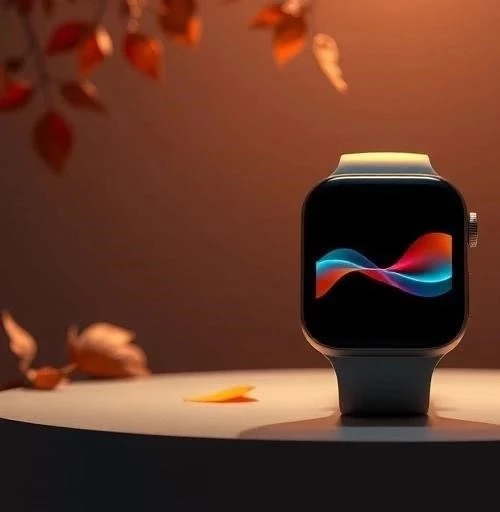
Apple unveiled the Apple Watch Series 7 on September 14, 2021․ The announcement came during the company’s “California Streaming” event, a virtual keynote that also introduced the iPhone 13 family and the latest iPad models․ If you are looking for the moment the watch was presented to the world, that is the date to circle—not its later arrival in shops․
There is a small calendar trick here: a product can be announced, offered for preorder, and released on three different dates․ For Series 7, Apple opened preorders on October 8, 2021, and the watch became available on October 15․ So the short answer is September 14 for the presentation, October 8 for preorders, and October 15 for the retail launch․
A keynote with a digital curtain
In 2021, Apple’s major product events were online productions rather than gatherings in a packed auditorium․ “California Streaming” unfolded as a polished film: dramatic landscapes, precise edits, and the familiar ritual of a product reveal, all without a live crowd․ The Series 7 appeared in that carefully staged sequence as Apple’s newest wrist-worn device․
The reveal mattered partly because expectations had been unusually theatrical․ Before the event, rumors and unofficial renderings had encouraged people to imagine a more angular watch with noticeably redesigned sides․ The actual Series 7 kept the rounded silhouette customers already knew․ Its changes were less a costume change than a clever renovation: the familiar house remained, but its windows grew larger․
What Apple showed
The headline update was the display․ Apple said the screen area was nearly 20 percent greater than on Series 6 and more than 50 percent greater than on Series 3․ The case was available in 41 mm and 45 mm sizes, with thinner borders around the screen helping the display stretch closer to the edges․ The result was not a watch that suddenly became a tiny phone; it was a watch that made its tiny-phone moments easier to read․
That extra room had practical consequences․ Apple demonstrated redesigned interfaces, larger buttons, and a full keyboard that could accept taps or QuickPath-style swipes․ A message that might once have felt like threading a note through a keyhole now had a little more breathing space․ The watch still depended on its compact format, but the screen made that format feel less cramped․
Apple also emphasized durability․ Series 7 had a redesigned front crystal, described as thicker and more resistant to cracking, along with IP6X dust resistance and water resistance rated to 50 metres․ These details were aimed at the everyday hazards of a wrist: a dusty trail, a splash, or an accidental knock against a doorframe․ They did not make the device indestructible, but they made resilience part of the presentation’s story․
Charging, health, and familiar foundations
Another useful improvement was faster charging․ With the included USB-C magnetic fast-charging cable and a compatible power adapter, Apple said Series 7 could charge up to 33 percent faster than Series 6․ The company’s estimate was about 45 minutes to reach 80 percent charge․ In a product worn overnight for sleep tracking, a shorter charging break could be more valuable than a dramatic-sounding specification․
The watch continued Apple’s established health and fitness features, including heart-rate monitoring, ECG, blood-oxygen measurements, workout tracking, and fall detection․ These capabilities were not all new to Series 7; they were part of the broader Apple Watch experience at the time․ Its importance was therefore not a complete reinvention of health technology, but the refinement of a device people already used to check a workout, answer a call, or glance at a notification;
Series 7 launched with watchOS 8, bringing software features such as new ways to communicate, updated mindfulness tools, and support for activities including cycling workouts․ The hardware and software were presented as a partnership: the larger screen made interactions more comfortable, while the operating system gave that screen things to do․
Why the date still gets confused
Searches for “when was Apple Watch 7 presented?” often mix up “presented” with “released․” The product was announced at the September keynote, but it did not go on sale immediately․ Apple announced that availability would follow later in the autumn, then confirmed the October preorder and launch dates․ In other words, the September presentation was the curtain rising—not the moment the watch landed on every wrist․
There is also a naming wrinkle․ Apple officially called it Apple Watch Series 7, not simply “Apple Watch 7․” The full name helps distinguish it from later generations and makes historical searches less ambiguous․ It was the seventh numbered generation in Apple’s main watch line, introduced in 2021․
The answer, in one glance
- Presentation and announcement: September 14, 2021․
- Preorders opened: October 8, 2021․
- Available to buy: October 15, 2021․
So, if the question is when Apple first showed the Series 7, the answer is September 14, 2021․ Think of the keynote as the first glimpse through the glass: the larger display was the visible change, but the real story was a familiar watch making everyday interactions feel a little less like miniature work․


5 Comments. Оставить новый
I enjoyed the article’s calendar-minded approach. Product launches do love multiplying into three dates, as if a watch needs its own little countdown trilogy.
A refresh that keeps its familiar shape yet improves the view feels like a thoughtful kind of progress. The article makes the screen sound less like a spec-sheet number and more like extra breathing room.
The contrast between dramatic rumors and the rounded watch Apple actually revealed makes for a neat reminder: anticipation often sketches a more angular future than reality delivers.
That description of the keynote as a polished film gives the online event a vivid sense of occasion. No crowd was needed; apparently even a digital curtain can make an entrance.
The “larger windows in a familiar house” image captures the Series 7 beautifully. Sometimes a redesign is less about changing the silhouette and more about making everyday details feel roomier.